

Ask most people what a wall sconce is for and they will say a hallway. Maybe a landing at the top of the stairs. It is the fixture people reach for when nothing else fits, not the fixture they plan a room around. That is a waste, honestly, because sconces do something no other fixture does quite as well — they light one specific thing very precisely, without taking up a single inch of table or floor space to do it.
Once you start thinking about sconces by what they are lighting rather than which room they are in, a handful of spots become obvious. Here is where they actually pay for themselves, and the numbers that keep them from looking like an afterthought.
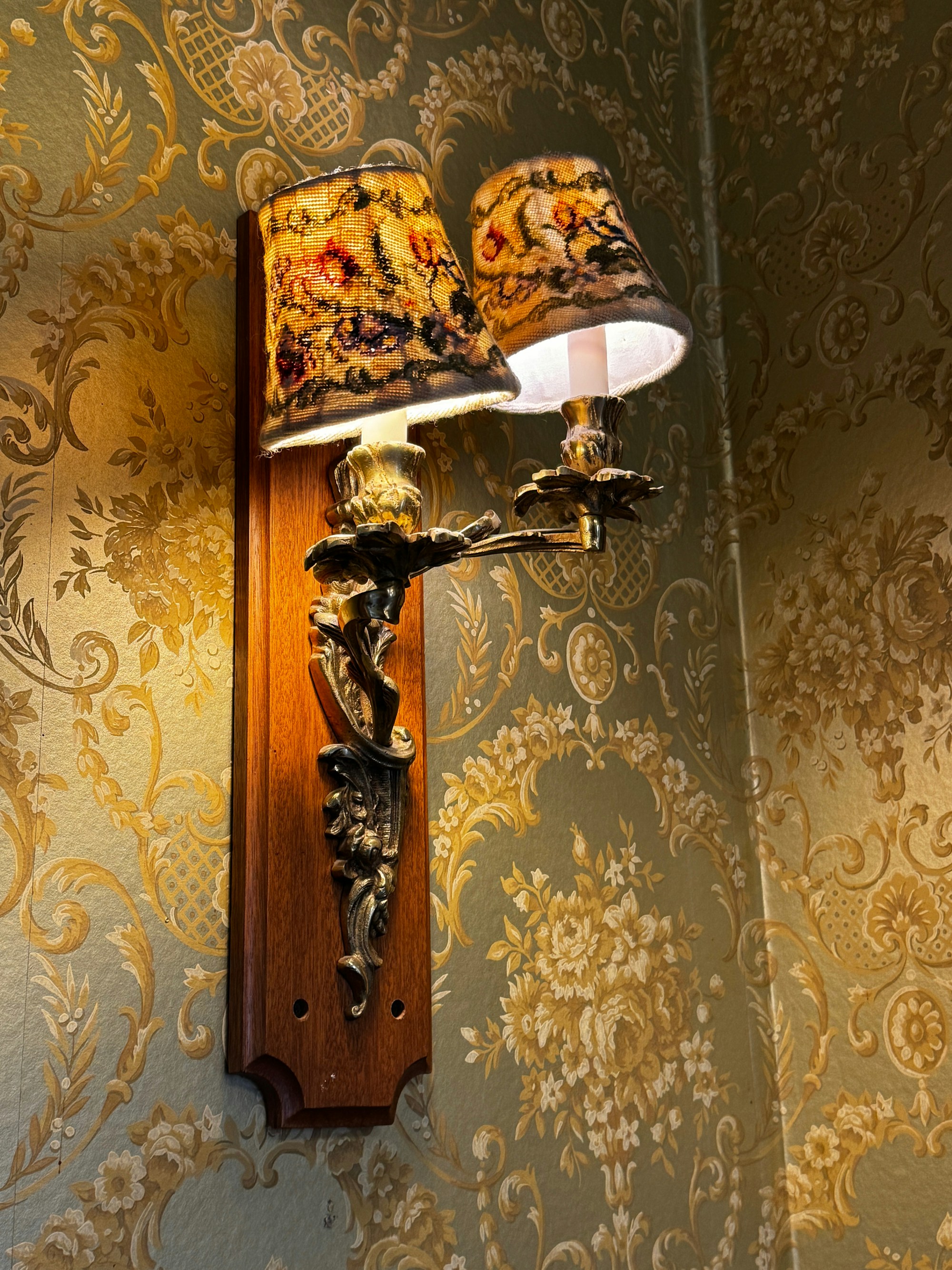
Flanking a Bathroom Mirror
This is the single best use of a sconce in the house, and most bathrooms still skip it in favor of one light bar mounted above the mirror. A bar above your head throws shadow straight down your face — under the eyes, under the chin. It is genuinely one of the worst lighting setups you can put in a bathroom, and it is also the most common.
Mount one sconce on each side of the mirror at roughly eye height, around 60 to 65 inches from the floor to the center of the fixture, spaced 28 to 36 inches apart depending on how wide the mirror is. Light coming from the sides instead of straight above evens out your face instead of carving shadows into it. If you only take one thing from this guide, take this one — it is the cheapest bathroom upgrade that actually changes how the room functions, not just how it looks.
Beside the Bed, Instead of a Table Lamp
A pair of table lamps takes up real space on a nightstand — space you would rather use for a book, a glass of water, your phone charger. Swap them for sconces mounted on the wall above and behind where the lamp would normally sit, and you get the nightstand back.
The height that works for most beds is 24 to 28 inches above the top of the mattress, centered roughly where your shoulder sits when you are propped up against the headboard. If you like to read in bed, look for a sconce with a swing arm or an adjustable head — it lets you angle the light down onto the page instead of out into the room, which matters more than people expect once they actually try it.
A sconce rarely needs to light a whole room. Its job is usually to light one thing well — a mirror, a headboard, a doorway — and everything around it looks better simply because that one thing is lit correctly.
In the Hallway, Where People Actually Expect Them
The classic use still deserves to be done properly. The most common mistake in a hallway is hanging a single sconce halfway down a long stretch and calling it finished. One fixture in the middle of a 20-foot hallway lights the middle of the hallway and leaves both ends in shadow.
Space sconces every 8 to 10 feet along the wall, mounted at 60 to 66 inches from the floor. For a shorter hallway under 12 feet, two fixtures near each end usually does the job better than one centered in the middle. Consistent spacing reads as intentional even when the fixtures themselves are simple.
Flanking Something in the Living Room, Not Lighting the Whole Room
In a living room, a sconce works as an accent, not as the main source of light. Pair one on each side of a fireplace, or flank a piece of art the way a gallery would. The scale is usually smaller and the finish tends to be a little quieter than the room's main fixture, since the point is to draw the eye to what it is lighting, not to itself.
Do not ask a pair of living room sconces to replace your ceiling fixture or floor lamp. They are not built for that job and the room will feel underlit if that is all you are relying on. Let them do the one thing they are good at.
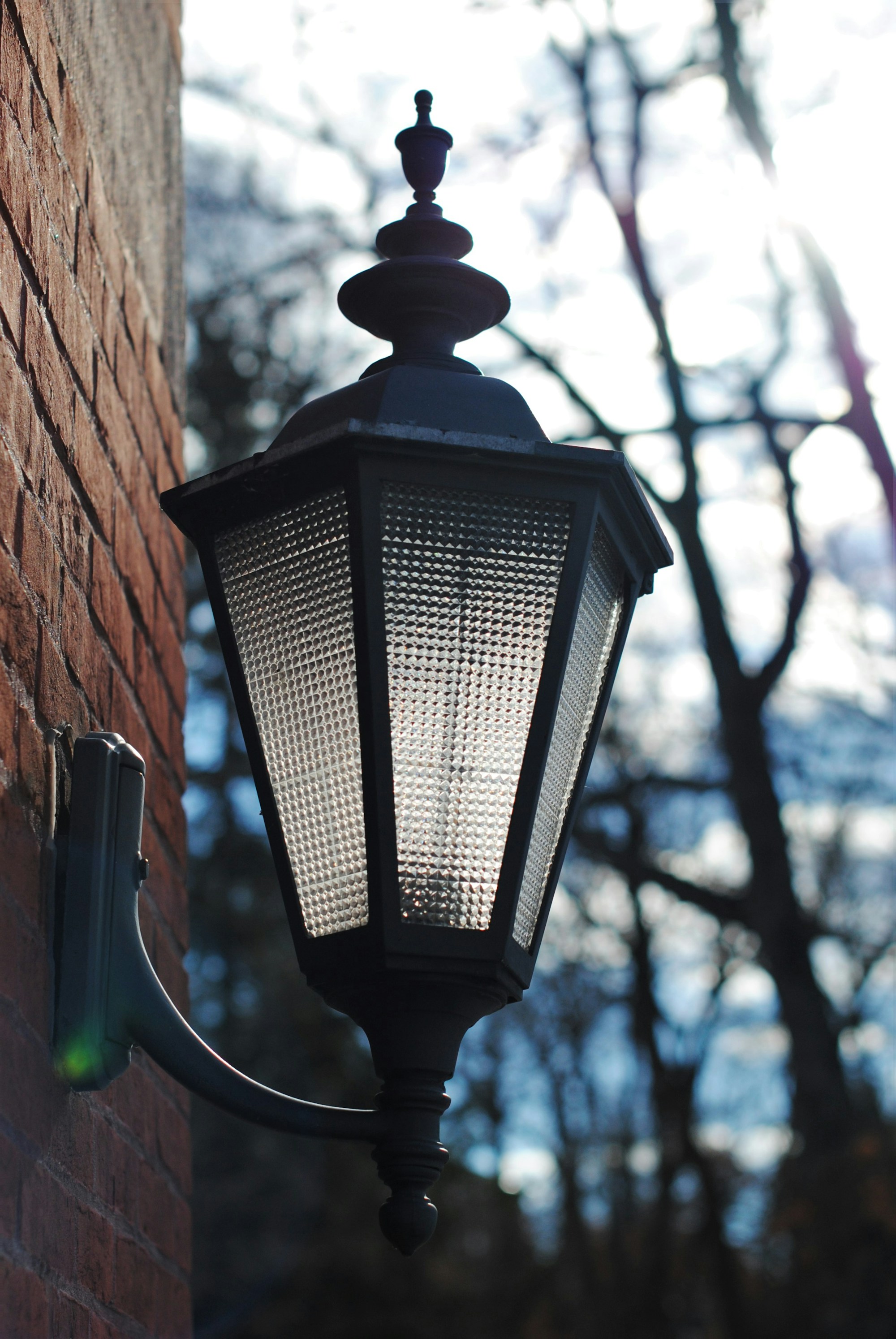
Outdoors, With One Extra Rule
A sconce on either side of the front door, mounted at eye level around 66 to 72 inches, does more for a home's entry than almost any other single change. If the doorway is narrow, a single fixture centered above and to the side works fine too — it does not have to be a pair.
The one rule that changes outdoors: check that the fixture is actually rated for exterior use, not just styled to look like it belongs outside. Look for a wet-location or damp-location rating before you buy anything for a porch, doorway, or covered patio. And keep the bulb warm, around 2700K — a cold white light at the front door reads as clinical instead of welcoming, no matter how nice the fixture itself is.
Hardwired or Plug-In
Hardwired sconces look cleaner because there is no visible cord, and they can be tied to a wall switch, which matters in a bathroom or an entry you walk through with your hands full. That said, it usually means an electrician and a bit of wall work.
Plug-in sconces skip all of that. Mount the fixture, run the cord down to the nearest outlet, and use a cord cover to keep it looking tidy along the wall or baseboard. For a bedroom, a rental, or anywhere you are not ready to open up a wall, plug-in is the far easier path, and a good cord cover makes the difference between it looking deliberate and looking like a workaround.
Looking for the right sconce for your space? Browse our wall sconce collection — chosen for real bathrooms, bedrooms, hallways, and entries, with the specifications you need to get placement right the first time.