

A floor lamp is the easiest fixture in the house to get wrong without realizing it. It looks right in the showroom, comes home, and somehow never quite does the job — too short to actually light your book, too tall for the corner, switched on and still leaving the room feeling half-lit. None of that is bad luck. A floor lamp only works when its height, shade, and switch match the specific job you bought it for, and that job is different in every corner of the house.
Here is how to match the lamp to the job, room by room.
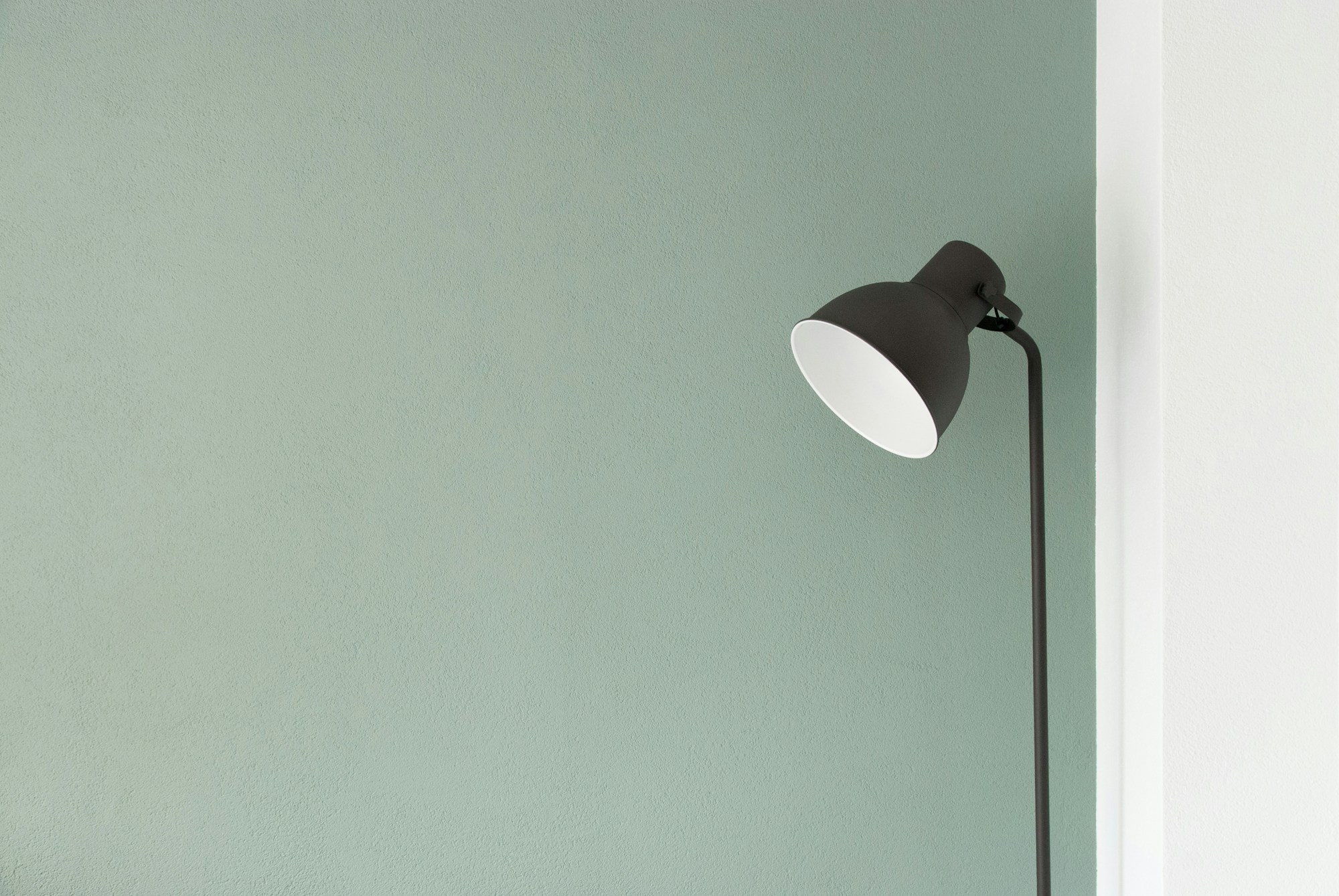
Beside a Reading Chair, the Height Rule That Matters
A reading lamp is doing one job — lighting the page — and most people place it wrong without knowing it. The bottom of the shade should sit roughly at your shoulder height when you are seated, usually 40 to 42 inches off the floor. Any higher and the light spreads past the book into the room. Any lower and you get glare straight into your eyes instead of light onto the page.
Position matters as much as height. Set the lamp slightly behind your shoulder, not directly beside the chair arm, so the light falls forward onto the page instead of casting your own shadow across it. An arc-style lamp solves this well since the arm reaches out over the seat from a base that sits out of the way, off to the side where you will not catch it with your feet.
Filling an Empty Corner
An empty corner is a different job entirely — here the lamp is filling space and adding ambient light, not serving one specific task. This is where a taller tree-style lamp with multiple shades or a wide diffused shade earns its place. Aim for a lamp that reaches 58 to 65 inches, tall enough to matter in the room without brushing a standard 8-foot ceiling.
A lamp in an empty corner is also one of the few fixtures in a room you look at as much as you look through. Its silhouette matters even switched off, so this is a good place to spend a little more on a base with real presence — metal branches, a sculptural tripod, something with a shape worth noticing in daylight too.
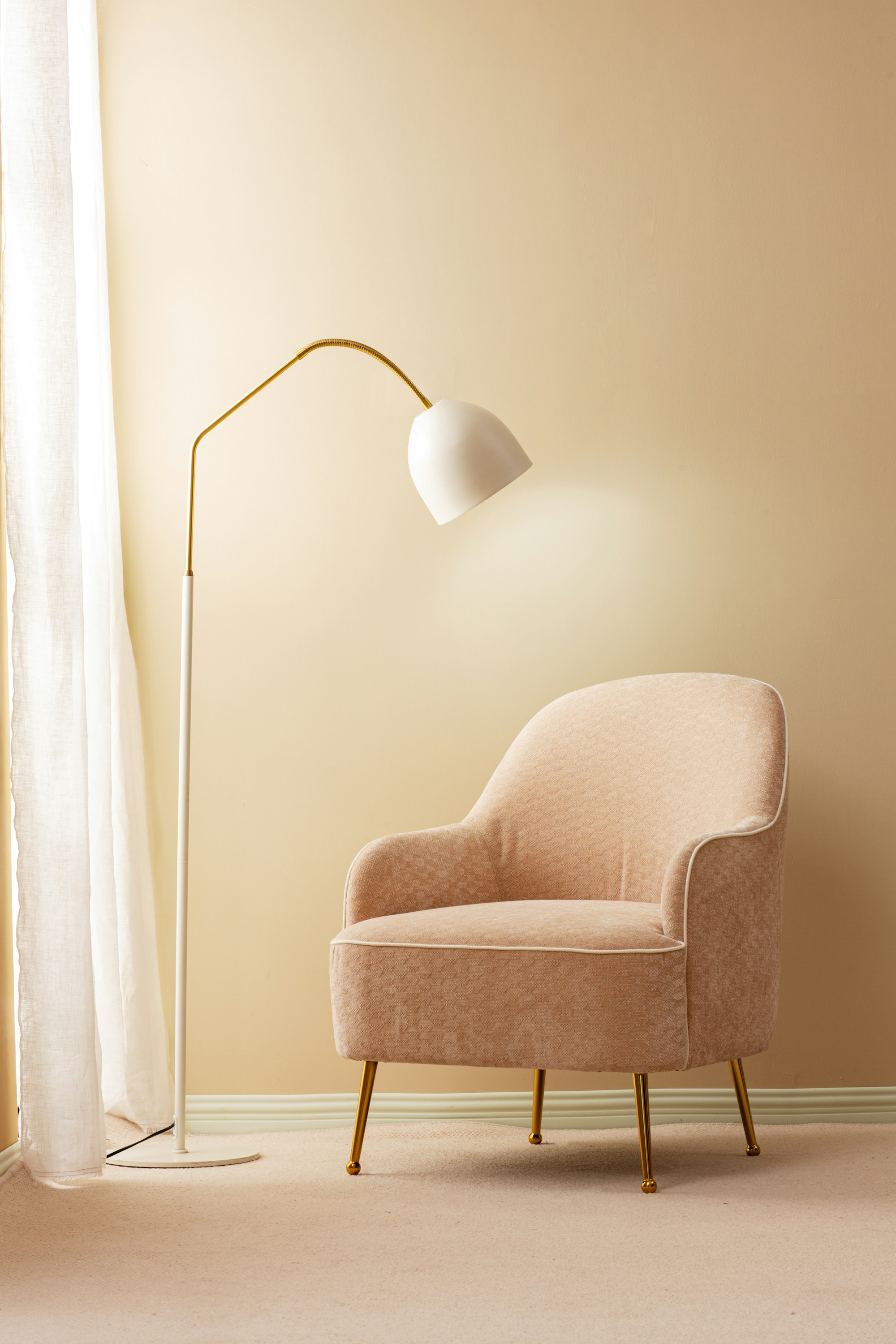
Behind the Sofa, as a Second Source of Light
A lamp positioned just behind one end of the sofa does something a ceiling fixture cannot — it lights the room from a low, human height instead of straight down from above. This is where a shelf-style or double-light lamp is worth considering, since it gives you two separate light levels from one footprint: a lower reading light and an upper ambient glow, controlled independently.
Keep the shade at or just above the back cushion height of the sofa. Much taller and the light shines into the eyes of anyone sitting across the room instead of down onto the seating area.
A ceiling fixture lights a room from above. A floor lamp lights it from where people actually sit. Most living rooms need both, and most only have one.
Match the Shade Height to Where People Actually Sit
The single biggest source of floor lamp regret is glare — a bare bulb or an open shade sitting right at eye level for anyone seated nearby. Before you buy, sit down where the lamp will go and picture where the bottom of the shade lands relative to your eye line while seated. If the bulb itself would be visible from that angle, the shade is either too short or too open, and you will notice it every evening.
A drum or bell-shaped shade that fully encloses the bulb solves most of this on its own. If you prefer an open or mesh shade for the look, keep the bulb itself low-wattage and warm, and be prepared to angle the lamp away from where people actually face.
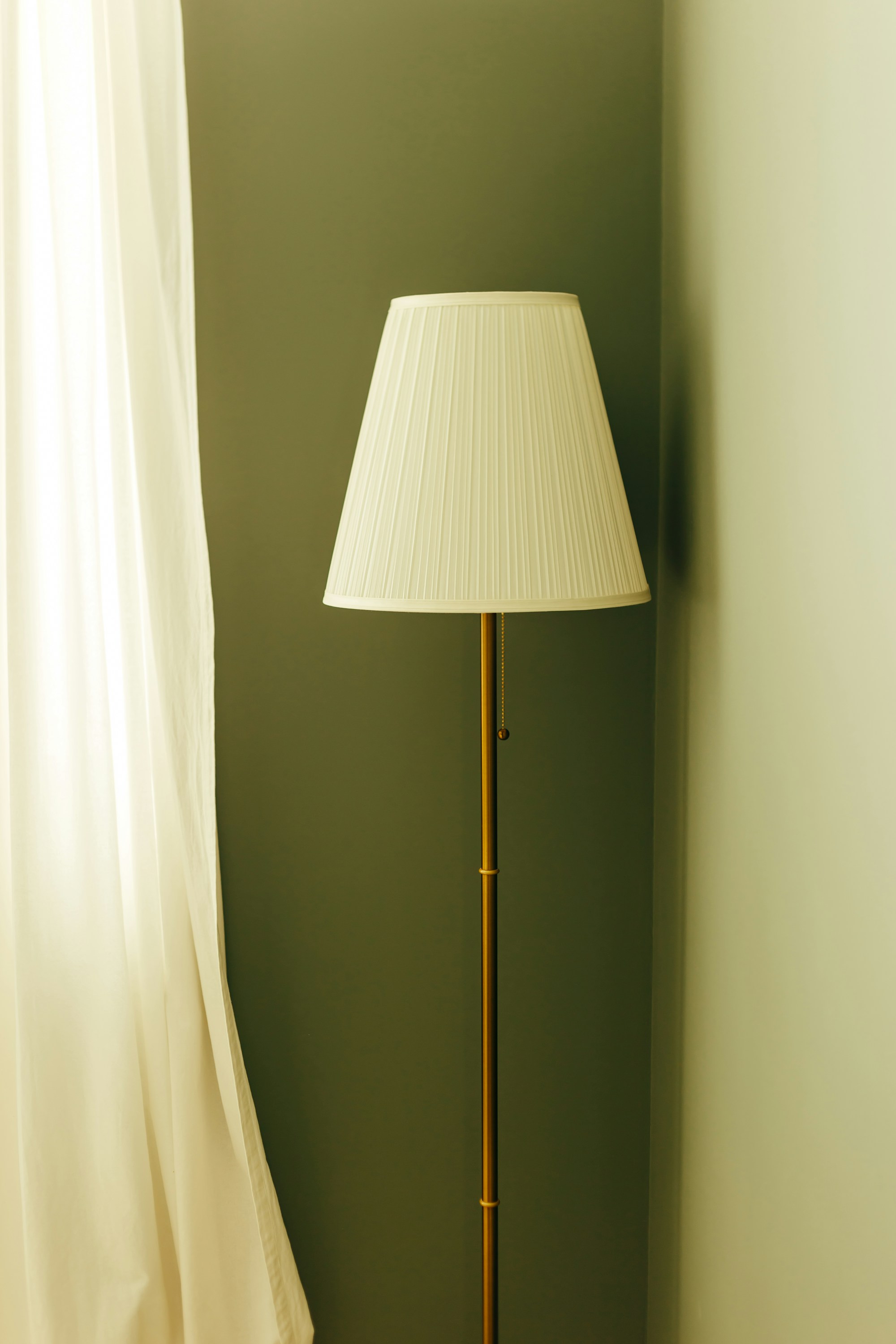
The Switch Matters More Than People Expect
A foot switch is the right call for a lamp beside a chair or sofa — you can turn it on and off without reaching down or getting up, which sounds minor until you have lived with one. A pull chain works fine for a lamp you walk past on your way somewhere else, like a corner near an entry.
If the lamp has a remote or app control, that is worth the small premium for a bedroom lamp specifically — turning off the last light in the room without leaving the bed is one of those conveniences that feels unremarkable until you no longer have it. Look for stepless dimming rather than a fixed on-off if you plan to use the lamp for both reading and ambient light at different times of day.
Looking for the right floor lamp for your space? Browse our floor lamp collection — chosen for real reading corners, sofas, and empty spaces that need filling, with the specifications you need to get height and placement right the first time.